
The benefits of playing with blocks and 10 important skills children learn from building blocks
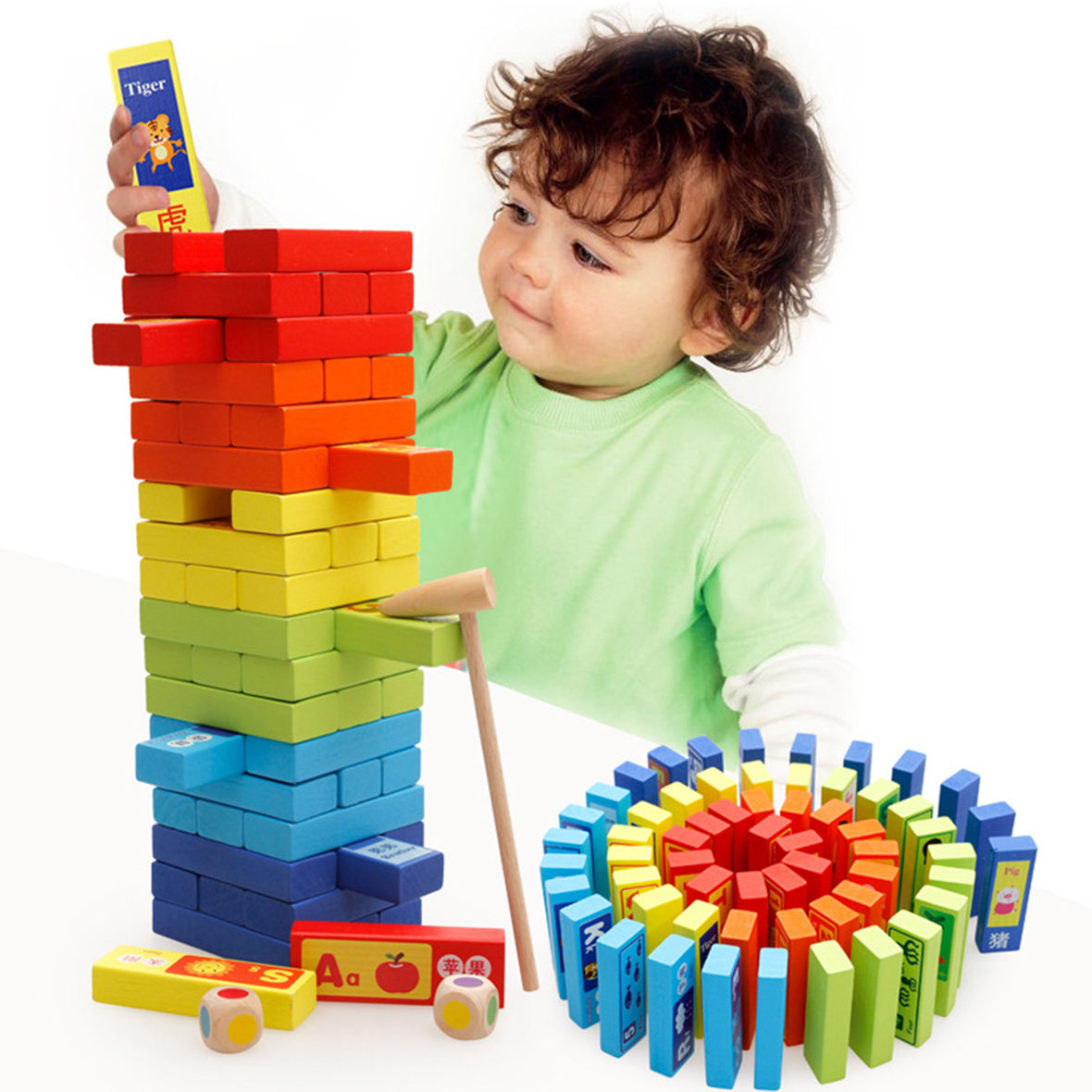
1. Improve fine motor control
Connecting blocks of different shapes and sizes can help your child practice flexibility. When they connect blocks of different shapes and sizes with different pressures, it exercises their fingers and gives them better control.
Playing with blocks is a great opportunity to develop fine motor skills! Building blocks are a great game for kids to exercise their fingers while building or even picking up pieces of blocks. Children love the thrill of building, and they can do it for hours, developing strong little muscles in their hands that will help them do other skills, such as learning to write.
2. Cultivate creativity
Building complex designs with blocks of different shapes, colors and sizes helps to enhance creativity and imagination. There is no limit to what they can create. Especially when it comes to free play, there is no right or wrong. This is boundless imagination!


3. Develop problem solving skills
Structured building block play that allows children to assemble according to instructions, developing children's problem-solving skills, attention and attention to detail. Everything from balance, symmetry, shape, size and color can be learned while playing with blocks.
4. Assist mathematical thinking
They even experience fractions and divisions in their minds, while trying to find the points where small pieces and large pieces meet, thus developing mathematical thinking
Volume, quantity, one-to-one correspondence, symmetry, pattern, etc., can all be expressed when children play with blocks.
5. Planning skills
Structured building block play, which requires following instructions, is a very fun and developmental challenge for children. Even when mistakes are made, they learn to take apart, replan, and analyze steps to achieve the final vision without pressure. This is a very meaningful process.
6. Never give up
Blocks are a toy that can keep children playing with for hours and teach them perseverance in the process. The time spent playing with blocks teaches them to persevere and keep building, growing into more complex designs as their skills improve with each level.
7. Confidence
As I mentioned earlier, there is no right or wrong building blocks. Whether it is free or structured play, it is a learning based process and the outcome is based on the vision and creativity of the child. There is always a sense of accomplishment at the end, and children will feel proud at the end. This very positive approach can greatly improve the child's self-esteem and self-confidence.
8. Cooperative play
Playing with blocks can easily turn into an imaginary happy time with adventures, heroes, villains, animals, and even family members. Use mini models and bricks with other peers, allowing children to learn the same skills from dramatic play or using doll houses.
9. Solve a problem
It doesn't matter whether the child uses an instruction manual or builds entirely from their own imagination. They are solving puzzles! When children pick up the small pieces around them to form buildings, planes or creatures, they are using their imagination to solve problems. When children pick up the small pieces around them to form a building, plane, or creature, they are bringing order out of chaos. A bucket of blocks becomes a new world!
10. Science
Cause and effect is one of the first science lessons a child learns! It was so much fun watching the excitement of the kids building the tower as high as possible. It got higher and higher and was soon over their heads. Then they all held their breath as the very tall tower fell.
Science is the driving force behind everything a child creates. Science is based on coming up with an idea and actually proving it. Building blocks do this naturally through imagination. The child just comes up with an idea and develops it.
Simply put, technology is the use of new technology to accomplish tasks. Building blocks teach children to use basic materials to complete a task.
 What is the appeal of darts?
 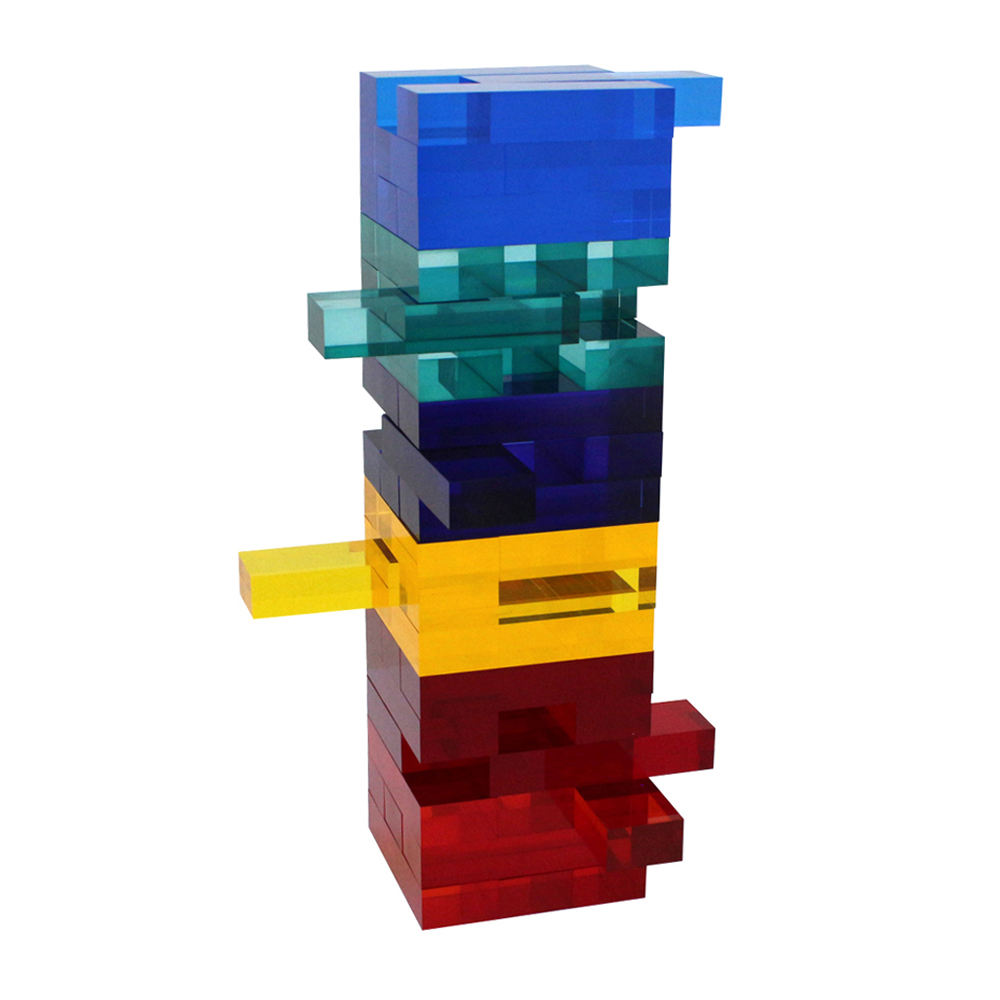 Building block games and interesting mathematical relationships
  The influence of building block play on children's cognitive development
 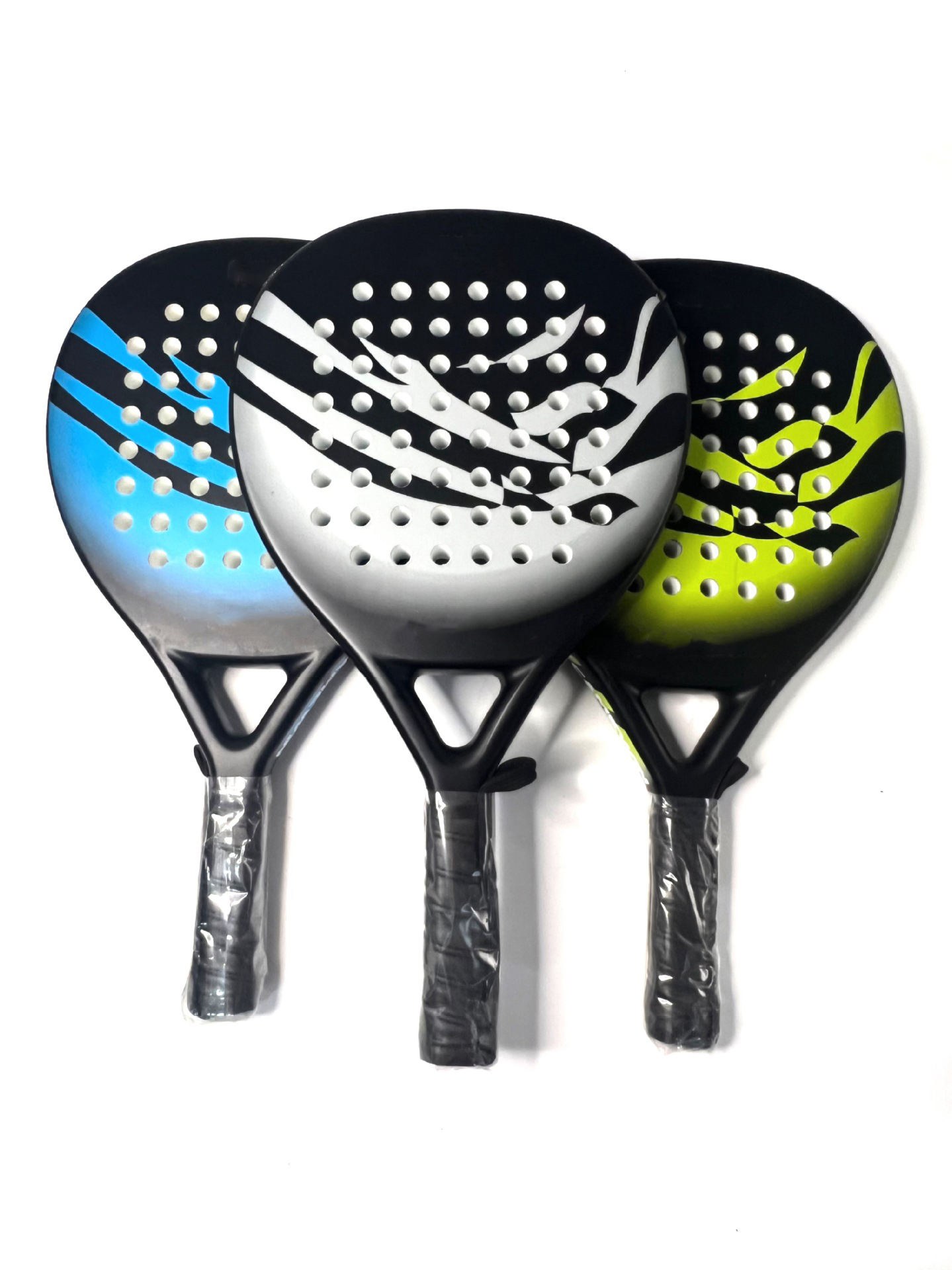 The pickleball of North America
 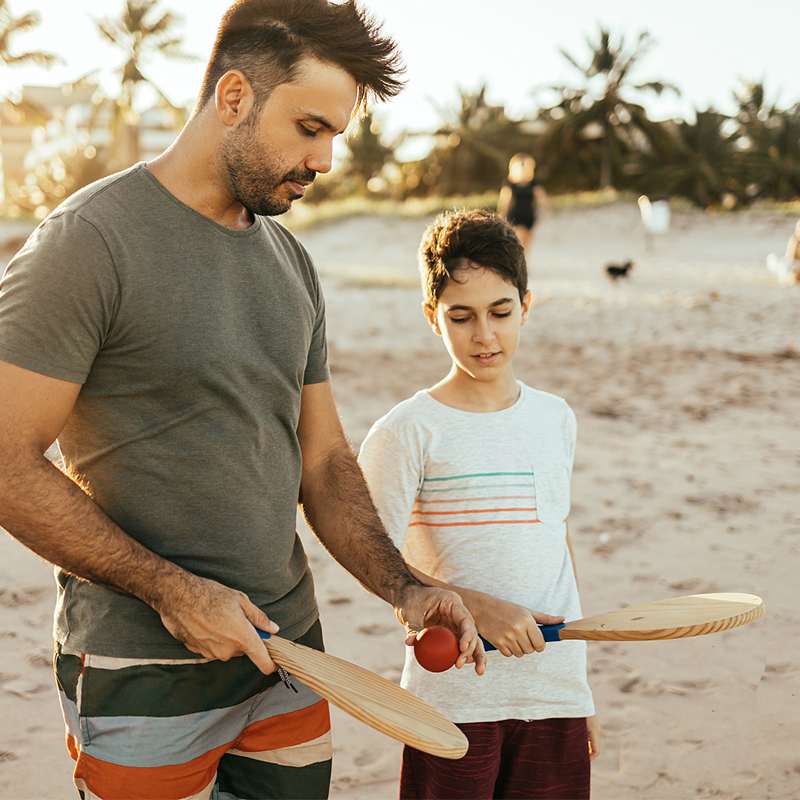 Must see for pickleball beginners! Have you fallen for these 10 mistakes?
  What is pickleball?
  Active backgammon
  The application of dominoes in basic education
  What's the point of dominoes?
 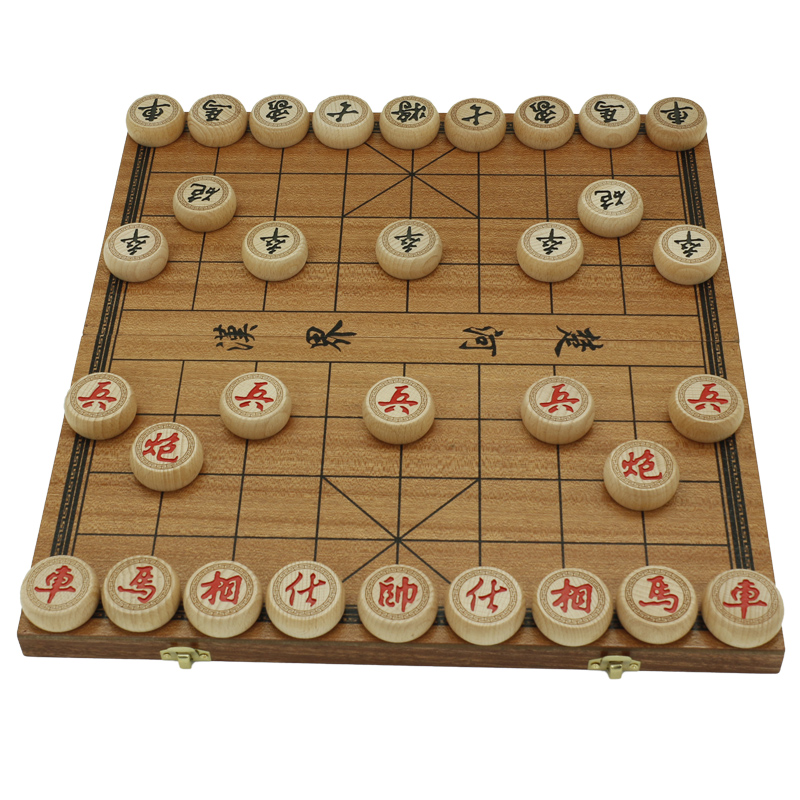 Where is the origin of Chinese chess?
  What Are the Health Benefits of Playing Chess?
 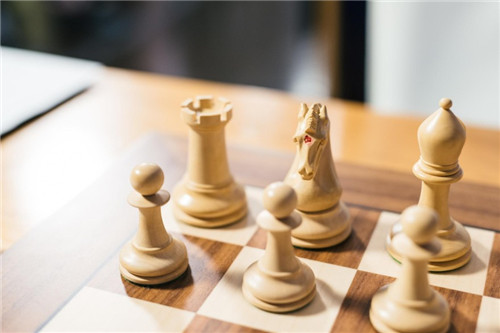 Tip on Improving Chess Skills
 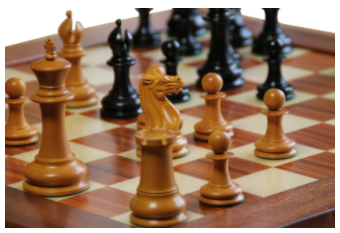 How to Choose the Best Chess Set, A Step-By-Step Guide